
20 Best U.S. Cities in 2026 for Women Traveling Alone on a Budget
A calm, confident guide to choosing destinations that make solo travel feel easier
Traveling alone doesn’t have to feel overwhelming, especially when you choose cities that meet you halfway. Places where getting around is simple, food is affordable, and you can explore without constantly second-guessing your choices. These are the U.S. cities I recommend for solo women travelers in 2026 when budget, ease, and peace of mind matter.
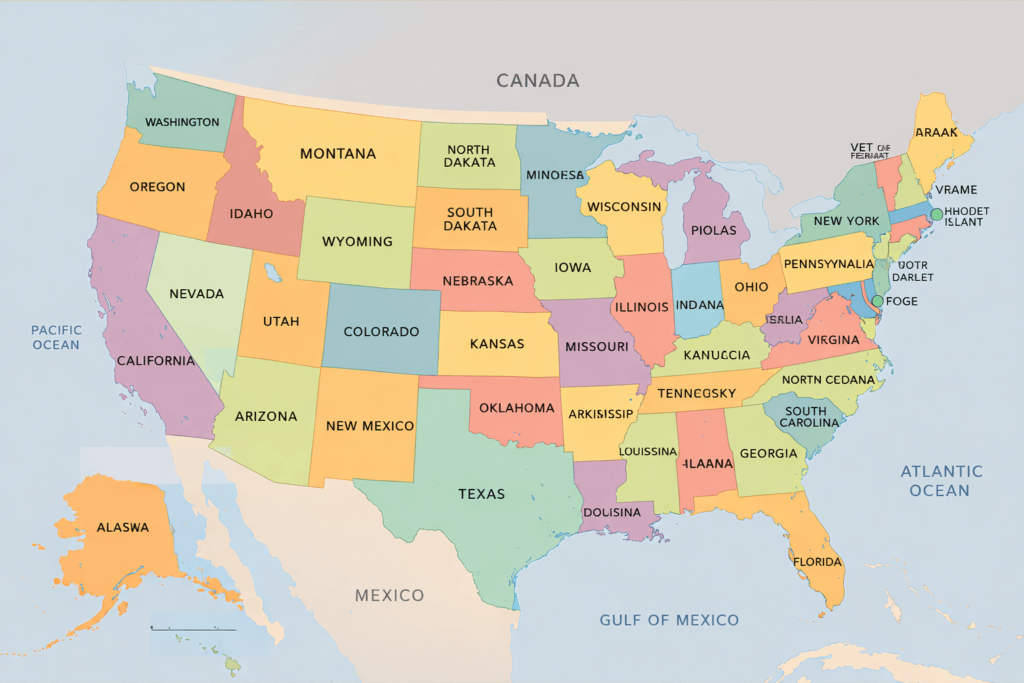
How I Chose These Cities
Every city on this list shares a few qualities that make solo travel feel easier, not harder. They’re places where getting around is intuitive—walkable neighborhoods, reliable public transit, or simple rideshare options. There’s no pressure to overspend, thanks to plenty of low-cost or free things to do, and the neighborhoods tend to feel active, well-lit, and lived-in throughout the day and evening.
I also paid close attention to accommodations. These are cities where you’ll consistently find clean, safe, and well-reviewed hotels or short-term stays without paying luxury prices. Most importantly, each destination has a rhythm that supports solo exploration—you can move at your own pace without feeling rushed, isolated, or on edge.
This isn’t about being fearless. It’s about choosing places that quietly support you while you explore on your own.
And if you’re curious, there’s also a way to get to many of these cities without paying full price for flights. I break down how I use airline miles and credit card points to cover airfare, sometimes entirely, for trips like these. [Read more about how I fly for (almost) free here.]
1. Washington, DC
Why it works:
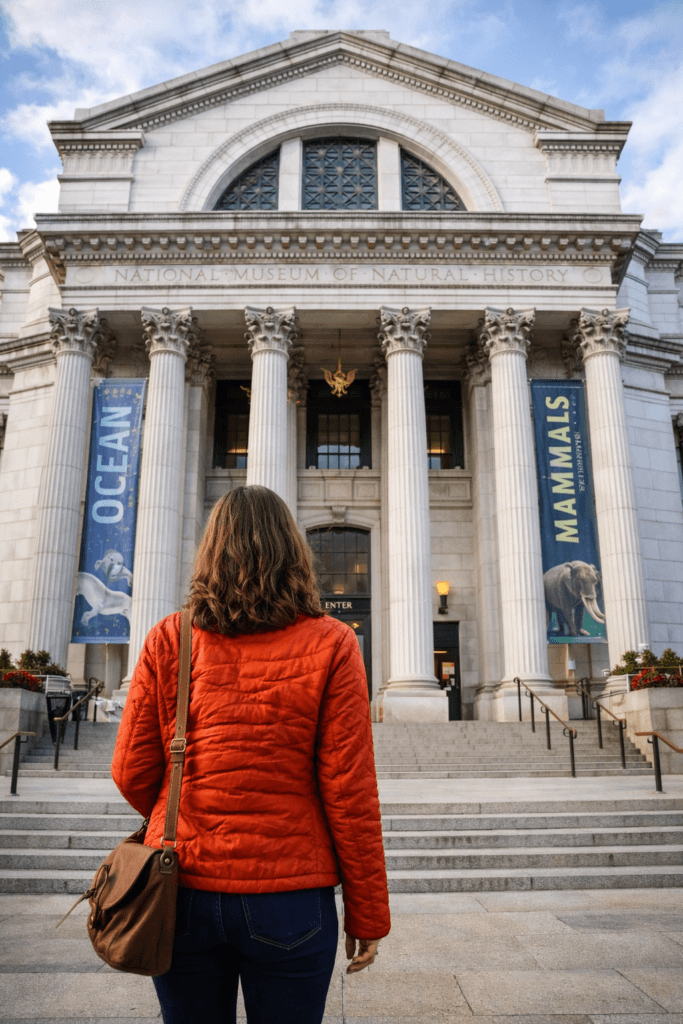
Washington, DC, is ideal for solo travelers who enjoy meaningful, low-pressure exploration. Many of the city’s most iconic experiences: the Smithsonian museums, National Mall, and historic monuments are free and designed for quiet reflection. Neighborhoods like Dupont Circle, Capitol Hill, and Georgetown encourage wandering with their bookstores, cafés, and tree-lined streets. DC feels purposeful and well-organized, which helps solo travelers settle in quickly without needing a rigid plan. It’s a city that supports curiosity and learning while offering a calm, steady rhythm.
Getting around:
Metro + walking. The subway system is easy to use, clearly marked, and connects major sights and neighborhoods. Many areas are very walkable.
Budget range:
- Food: $10–$18 food halls and casual cafés | $20–$30 sit-down meals
- Lodging: $120–$180/night near central neighborhoods
Where to stay:
Near a Metro stop in Dupont Circle, Capitol Hill, or Arlington (VA) for safety, walkability, and easy transit access.
Safety notes:
DC is generally safe in central areas and tourist neighborhoods. Stick to well-lit streets at night, use the Metro or rideshare after dark, and you’ll feel comfortable navigating the city on your own.
2. Chicago, Illinois
Why it works:
Chicago combines big-city culture with a layout that feels logical and manageable. The lakefront creates natural calm, whether you’re walking along Lake Michigan or relaxing in Millennium Park near Cloud Gate. Architectural boat tours, neighborhood cafés, and museum stops like the Art Institute are all easy to enjoy solo. Areas such as River North, the West Loop, and Lincoln Park feel lively but not chaotic, making it comfortable to explore without feeling overstimulated. Chicago’s friendly Midwestern energy and clearly defined neighborhoods help solo travelers feel oriented quickly.

Getting around:
“L” trains + walking. Chicago’s elevated train system connects the airport, downtown, and neighborhoods efficiently. Many areas, especially near the lake and central districts, are highly walkable.
Budget range:
Food: $8–$15 casual eats and slices | $18–$30 neighborhood restaurants
Lodging: $110–$170/night in well-located areas
Where to stay:
The Loop, West Loop, or River North for walkability, transit access, and a lively but manageable atmosphere.
Safety notes:
Chicago is safe for solo travelers in central and well-trafficked neighborhoods. Stay aware late at night, stick to public transit corridors, and use rideshare when exploring farther out. Choosing accommodations near transit and active streets makes a noticeable difference.
3. New York City, New York
Why it works:
New York City is one of the easiest places in the world to travel solo because independence is the norm. No one questions eating alone, wandering alone, or sitting quietly in a park with a book. Neighborhoods like the Upper West Side, SoHo, and Brooklyn Heights invite slow exploration, while Central Park offers space to breathe right in the middle of the city. Museums such as The Met and MoMA are perfectly suited for solo visits, and long walks across the Brooklyn Bridge or along the Hudson River feel grounding rather than rushed. NYC’s constant motion creates a sense of anonymity that many solo travelers find freeing. You can blend in completely and move at your own pace.
Getting around:
Subway + walking. NYC’s subway runs 24/7 and reaches every borough. You can explore entire neighborhoods on foot and rely on public transit instead of rideshares.
Budget range:
Food: $8–$15 street food and casual eats | $18–$30 neighborhood restaurants
Lodging: $120–$200/night in outer Manhattan or select Brooklyn neighborhoods
Where to stay:
Upper West Side, Midtown East, Long Island City (Queens), or Williamsburg (Brooklyn) for transit access, safety, and walkability.

Safety notes:
New York City is generally safe in well-traveled areas and transit-connected neighborhoods. Stay aware late at night, stick to busy streets, and trust your instincts. The city’s constant activity often adds a layer of comfort for solo travelers.
4. Philadelphia, Pennsylvania
Why it works:
Philadelphia makes solo travel feel approachable and grounded. The city’s history is central but not overwhelming, and many of its most meaningful sites are clustered close together. Walking through Old City connects you to landmarks like Independence Hall and the Liberty Bell, while neighborhoods such as Society Hill and Rittenhouse Square invite slower, everyday wandering. Reading Terminal Market is especially solo-friendly — it’s lively, affordable, and perfect for eating alone without feeling rushed. Add in museums along the Benjamin Franklin Parkway and peaceful strolls along the Schuylkill River Trail, and Philadelphia becomes a city where solo exploration feels both enriching and easy.

Getting around:
Walking + SEPTA transit. Central neighborhoods are very walkable, and public transportation connects major areas without hassle.
Budget range:
Food: $8–$15 casual eats and food markets | $18–$30 sit-down meals
Lodging: $110–$180/night in central neighborhoods
Where to stay:
Center City, Old City, or near Rittenhouse Square for walkability, safety, and easy access to attractions and transit.
Safety notes:
Philadelphia is generally safe in central and historic areas. Stick to well-lit streets at night, stay within active neighborhoods, and use transit or rideshare after dark for added comfort when traveling solo.
5. Boston, Massachusetts
Why it works:
Boston feels grounded, walkable, and quietly empowering for solo travelers. The city’s history is woven directly into everyday life, making exploration feel natural rather than touristy. Walking the Freedom Trail connects you to iconic sites like Boston Common, Faneuil Hall, and the North End, all without needing a car. Neighborhoods such as Beacon Hill and Back Bay invite slow wandering with their brick streets, cafés, and bookshops, while the Charles River Esplanade offers peaceful waterfront walks that balance the city energy. Boston’s compact layout, intellectual culture, and steady rhythm make it especially comforting for women traveling alone, stimulating without being overwhelming.
Getting around:
Walking + MBTA (“the T”). Many attractions are clustered together, and public transit is reliable and straightforward for visitors.
Budget range:
Food: $10–$18 bakeries, cafés, casual eats | $20–$35 sit-down meals
Lodging: $130–$200/night in well-located neighborhoods
Where to stay:
Back Bay, Beacon Hill, or Cambridge for walkability, transit access, and a calm-but-lively atmosphere.

Safety notes:
Boston is considered one of the safer large U.S. cities. Central neighborhoods are well-lit and busy, and public transit is comfortable to use solo. As always, stay aware at night and stick to main streets.
6. Seattle, Washington
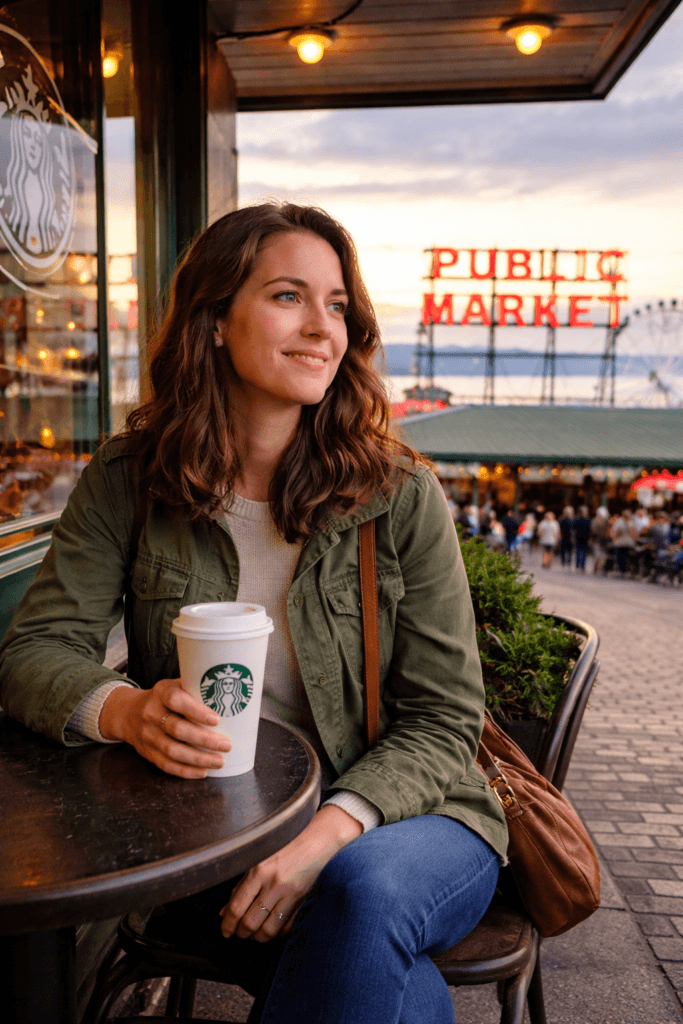
Seattle has a way of making solo travel feel thoughtful rather than lonely. The city blends culture and nature so seamlessly that you’re never choosing between stimulation and quiet. You can spend a morning wandering Pike Place Market, watching ferries glide across Elliott Bay, or sipping coffee at a neighborhood café where no one rushes you. Iconic spots like the Space Needle, Olympic Sculpture Park, and the Seattle waterfront offer easy, walkable experiences, while nearby escapes like Discovery Park and Kerry Park provide moments of stillness and incredible views. Seattle’s independent spirit and reflective pace make it especially comfortable for women traveling alone.
Getting around:
Light rail + buses + walking. Public transportation is reliable, clearly marked, and connects major neighborhoods, downtown, and the airport. Many central areas are very walkable.
Budget range:
Food: $12–$20 casual cafés and markets | $22–$35 sit-down meals
Lodging: $130–$200/night for well-located hotels or boutique stays
Where to stay:
Capitol Hill for energy and cafés, Belltown for central access and waterfront walks, or Queen Anne for quieter streets with beautiful views—all close to transit lines.
Safety notes:
Seattle generally feels safe in central neighborhoods. Stick to well-lit streets at night, stay aware in busy areas, and use transit or rideshare after dark for added comfort.
7. Portland, Oregon
Why it works:
Portland is one of those cities that feels like it gives you permission to slow down. It’s creative without being performative, and welcoming without being loud. Solo travelers often love Portland because it supports reflective travel—think quiet mornings in coffee shops, long walks through leafy neighborhoods, and afternoons browsing bookstores or local markets. Famous spots like Powell’s City of Books, the Portland Japanese Garden, and Washington Park offer easy, meaningful experiences you can enjoy alone without pressure. Add in Forest Park’s wooded trails and weekend visits to the Saturday Market, and you get a city that balances nature, creativity, and calm beautifully.
Getting around:
MAX light rail + buses + walking. Public transit is reliable and connects most major neighborhoods. Many areas are flat and pedestrian-friendly, making wandering easy.
Budget range:
Food: $10–$18 food carts and cafés | $20–$30 sit-down meals
Lodging: $120–$180/night for clean, well-located hotels or guesthouses
Where to stay:
The Pearl District for walkability and galleries, Alberta Arts for a neighborhood feel and creative energy, or Hawthorne for vintage shops, cafés, and easygoing streets.

Safety notes:
Portland’s central neighborhoods feel relaxed and safe during the day. At night, stick to well-lit streets, trust your instincts, and use transit or rideshare if you’re moving between areas.
8. San Francisco, California
Why it works:
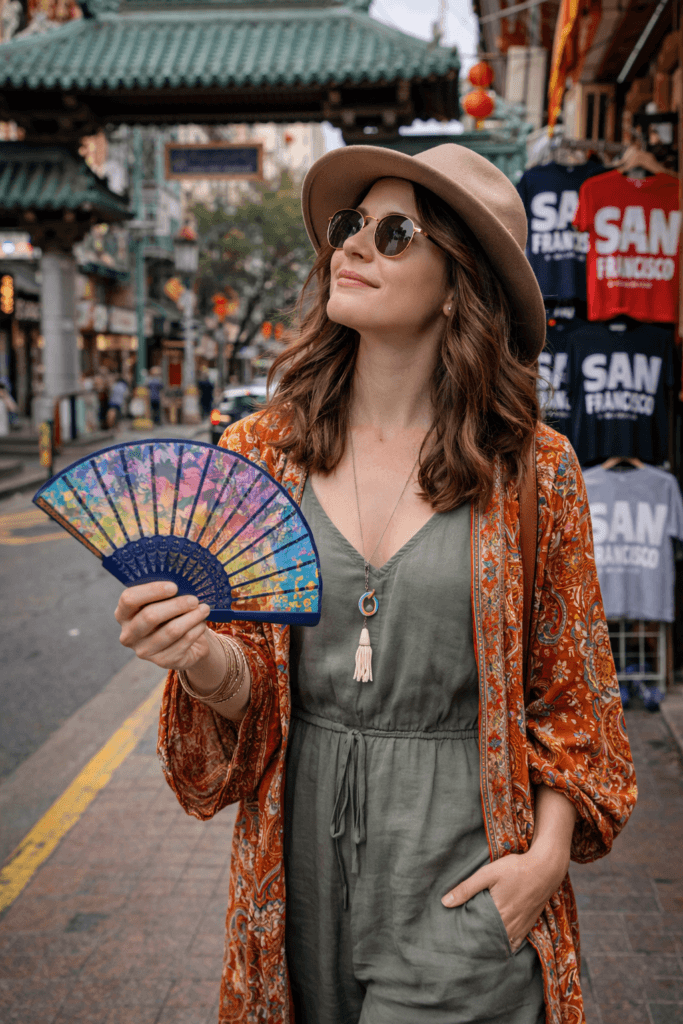
San Francisco is a city made for wandering. Iconic sights like the Golden Gate Bridge, Alcatraz Island, and cable car lines give structure to your days, while distinct neighborhoods: Chinatown, the Mission, and Haight-Ashbury. Each offer their own rhythm and personality. There’s a strong culture of solo exploration here: people walk, read, café-hop, and take scenic viewpoints alone without it feeling unusual. The mix of natural beauty and urban energy keeps the experience engaging without constant stimulation.
Getting around:
BART + buses + walking. Public transit connects major areas well, and many neighborhoods are easy to explore on foot. Expect hills—comfortable shoes are essential.
Budget range:
- Food: $12–$20 casual eats | $25–$40 sit-down meals
- Lodging: $150–$230/night for well-located hotels or private rooms
Where to stay:
Nob Hill for central access and classic views, Inner Richmond for quieter streets near Golden Gate Park, or Hayes Valley for walkability, cafés, and boutiques.
Safety notes:
San Francisco rewards awareness. Stick to well-reviewed neighborhoods, avoid leaving belongings unattended, and stay alert in crowded tourist areas. Central neighborhoods feel safe during the day, and solo travelers generally feel comfortable when moving with intention.
9. San Diego, California
Why it works:
San Diego is one of those cities that feels naturally kind to solo travelers. The pace is relaxed, the weather is reliable, and the city is built around outdoor living, which makes exploring alone feel normal rather than isolating. You can spend a morning wandering Balboa Park with its museums and gardens, head to La Jolla Cove to watch sea lions and coastal sunsets, or stroll the waterfront at Seaport Village without needing a plan or a car. Neighborhoods flow easily into one another, and the beach culture keeps everything casual and approachable, with no pressure to rush or over-plan.
Getting around:
Trolley + rideshare + walking. The trolley connects downtown, Old Town, and coastal areas, while rideshares are affordable and reliable. Many neighborhoods are easy to explore on foot.
Budget range:
- Food: $12–$18 casual beach cafés and taco shops | $22–$35 sit-down meals
- Lodging: $130–$190/night for clean, well-located hotels or guesthouses
Where to stay:
Little Italy for walkability and dining, North Park for a local vibe and cafés, or Mission Valley for central access and better hotel deals.Valley.

Safety notes:
San Diego consistently ranks as one of the safer large cities in California. Stick to lively neighborhoods at night, stay near main streets, and you’ll feel comfortable exploring solo.
10. Denver, Colorado
Why it works:
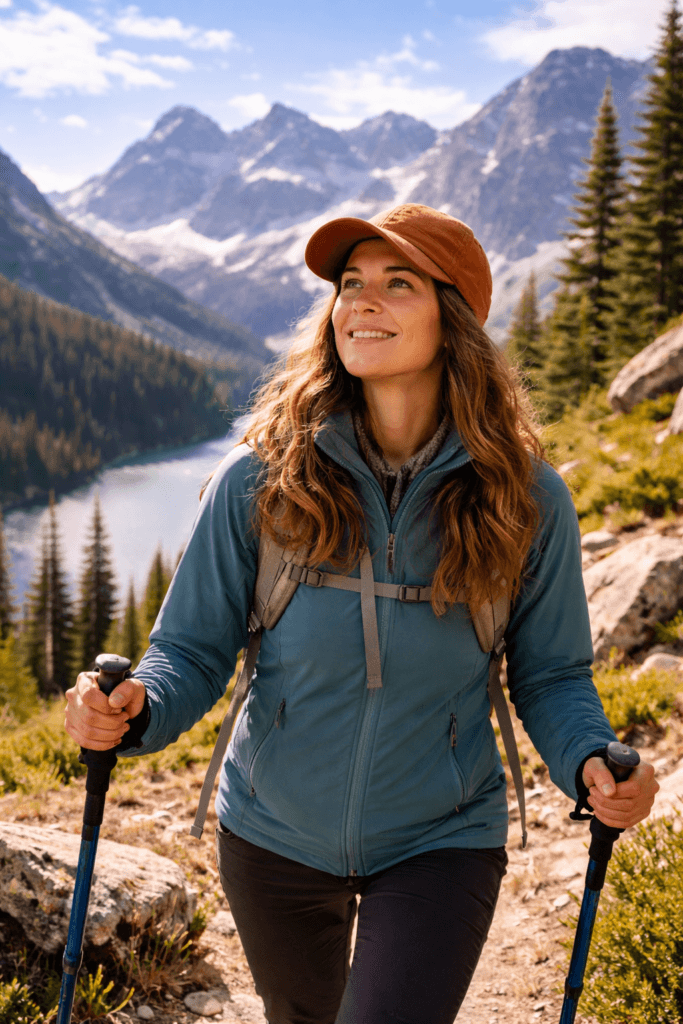
Denver offers the comfort of a well-organized city with quick access to nature, which makes it especially appealing for solo travelers who want balance. You can spend a morning wandering world-class institutions like the Denver Art Museum or the Museum of Contemporary Art, then grab coffee in LoDo or RiNo Art District before heading out for a sunset walk at City Park with mountain views in the distance. Denver also serves as a perfect base for easy day trips to Red Rocks Amphitheatre, Boulder, or even the foothills of the Rockies, giving you variety without constant packing or long drives.
The city has a relaxed but purposeful rhythm — people are friendly, outdoorsy, and used to seeing others exploring solo. That alone makes it feel approachable rather than overwhelming.
Getting around:
Light rail, commuter trains, and walking. Denver International Airport connects directly to downtown via the A-Line train, which is a huge plus for solo travelers. Rideshares are reliable and affordable.
Budget range:
- Food: $12–$18 casual eats and food halls | $20–$30 breweries and sit-down meals
- Lodging: $110–$160/night for well-located hotels or boutique stays
Where to stay:
The Union Station area is ideal; LoDo and parts of RiNo also work well if you want dining and nightlife within easy reach.
Safety notes:
Denver feels structured and intuitive to navigate, which is reassuring if you’re traveling alone. Stick to downtown, Union Station, and popular neighborhoods in the evening, use public transit or rideshare after dark, and you’ll feel supported exploring the city at your own pace.
11. Austin, Texas
Why it works:
Austin strikes a rare balance between social energy and personal freedom, which makes it especially welcoming for solo travelers. The city is known for its live music scene, creative spirit, and outdoor lifestyle, but it never feels overwhelming or exclusionary. You can blend in easily, whether you’re wandering solo or striking up conversations along the way.
Iconic spots like South Congress (SoCo) invite slow strolling past vintage shops, murals, and food trucks, while Lady Bird Lake offers scenic walking and biking trails right in the heart of the city. For a dose of nature, Zilker Park is a local favorite—perfect for people-watching, journaling, or simply lying in the grass with a book. Austin’s casual culture makes it easy to show up exactly as you are.
Getting around:
Rideshare + walking. Austin’s core neighborhoods are walkable, but distances between areas can be long. Rideshare fills the gap easily, especially at night.
Budget range:
- Food: $10–$18 food trucks and casual eats | $20–$35 sit-down meals
- Lodging: $120–$180/night, depending on season and location
Where to stay:
Downtown for central access, South Congress for character and walkability, or East Austin for a more local, creative feel with great food options.Austin.

Safety notes:
Austin’s central neighborhoods are comfortable and well-populated. Stick to main streets after dark and use rideshare late at night, especially when moving between districts.
12. San Antonio, Texas
Why it works:
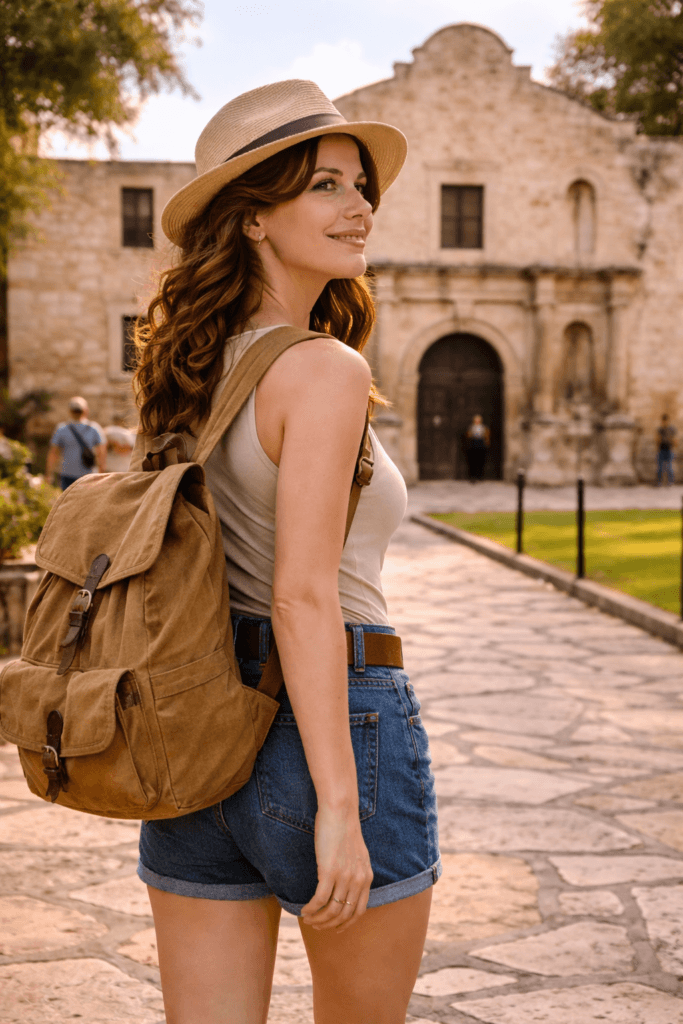
San Antonio is one of those cities that feels immediately approachable for solo travelers. It’s slower-paced than many large Texas cities, deeply rooted in history, and built for wandering. The Alamo anchors the city with a powerful sense of place, while the River Walk winds gently through downtown, offering shaded paths, cafés, and people-watching without the pressure to rush.
What really elevates San Antonio is its culinary scene. From affordable Tex-Mex and street tacos to chef-driven restaurants in the Pearl District, food becomes part of the experience rather than an added expense. The city balances culture, comfort, and affordability in a way that makes solo travel feel relaxed and rewarding.
Getting around:
Walking + rideshare. Many major sights cluster around the River Walk and downtown, making it easy to explore on foot. Rideshare fills in the gaps comfortably.
Budget range:
Food: $10–$15 casual eats | $18–$30 sit-down meals
Lodging: $110–$170 per night
Where to stay:
Near the River Walk for walkability and atmosphere, or the Pearl District for a slightly quieter, design-forward neighborhood with excellent dining.
Safety notes:
Tourist areas are well-patrolled, active, and generally feel safe day and night. Stick to central neighborhoods, especially in the evening, and solo travel here feels very manageable.
13. New Orleans, Louisiana
Why it works:
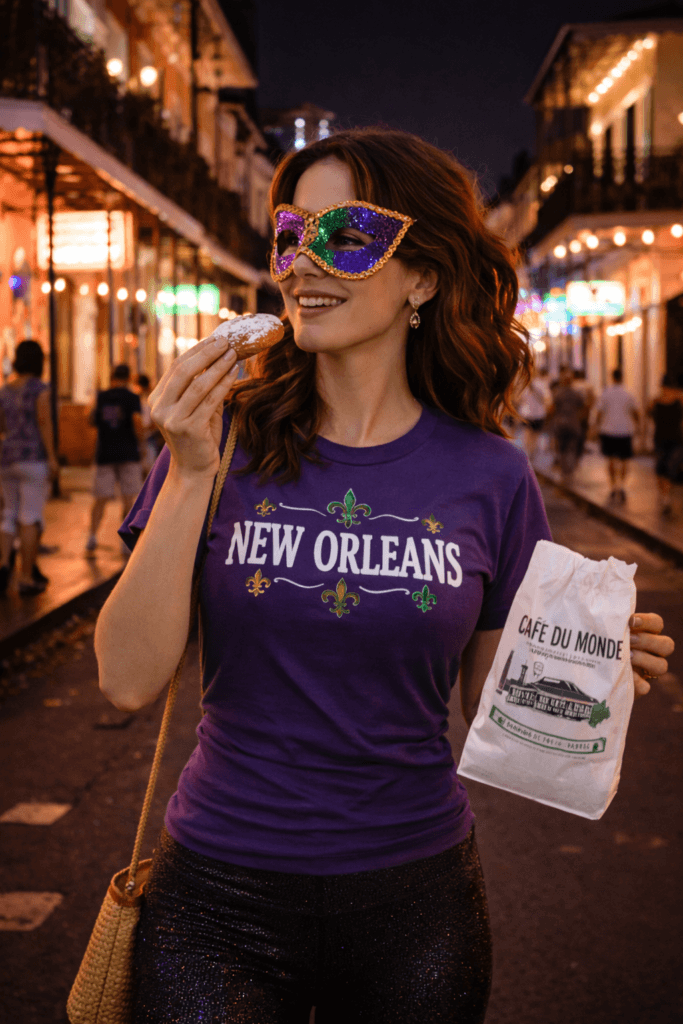
New Orleans is one of those cities that meets you where you are. The French Quarter offers nonstop energy, music, and people-watching, while the Garden District slows everything down with grand oak trees, historic mansions, and quiet streets perfect for reflective walks. Frenchmen Street is a solo traveler favorite—live jazz pours out of every doorway, and it’s easy to enjoy music alone without feeling out of place. Morning beignets at Café du Monde feel almost ritualistic, and sitting there solo with coffee and powdered sugar is completely normal. The city’s rhythm encourages presence, curiosity, and connection, which makes solo travel feel rich rather than lonely.
Getting around:
Streetcars + walking + rideshare. The historic streetcar lines are scenic, affordable, and easy to navigate, connecting major neighborhoods and attractions.
Budget range:
Food: $10–$18 casual eats (po’boys, beignets, gumbo) | $20–$35 sit-down meals
Lodging: $120–$180/night depending on neighborhood and season
Where to stay:
Garden District for calm and beauty, Marigny for music and creativity, or Mid-City for a local, balanced feel with easy transit access.City.
Safety notes:
Stick to active, well-lit areas at night, especially in the French Quarter and Marigny. Use rideshare after dark, trust your instincts, and you’ll find New Orleans welcoming and manageable for solo travelers.
14. Savannah, Georgia
Why it works:
Savannah feels like it was made for solo wandering. The city’s famous historic squares create a natural rhythm as you explore, each one shaded, beautiful, and full of benches where it feels normal to pause and just be. Forsyth Park anchors the city with wide green space, fountains, and morning joggers, while River Street adds energy with shops and waterfront views. Savannah is also known for its ghost tours and storytelling culture, which makes evenings feel intriguing rather than lonely. It’s a place where history, charm, and quiet curiosity coexist, making solo travel feel gentle and grounding.

Getting around:
Walking + free DOT shuttle. Savannah’s layout is flat and intuitive, and the free shuttle makes it easy to move between River Street, the Historic District, and City Market without stress.
Budget range:
Food: $10–$18 casual cafés and Southern comfort food | $20–$30 sit-down meals
Lodging: $120–$180/night, depending on season and location
Where to stay:
Historic District or near Forsyth Park for walkability, charm, and easy access to major sights.
Safety notes:
Central Savannah is welcoming and well-lit, especially during the day and early evening. Stick to the Historic District at night, and you’ll feel comfortable navigating solo.
15. Charleston, South Carolina
Why it works:
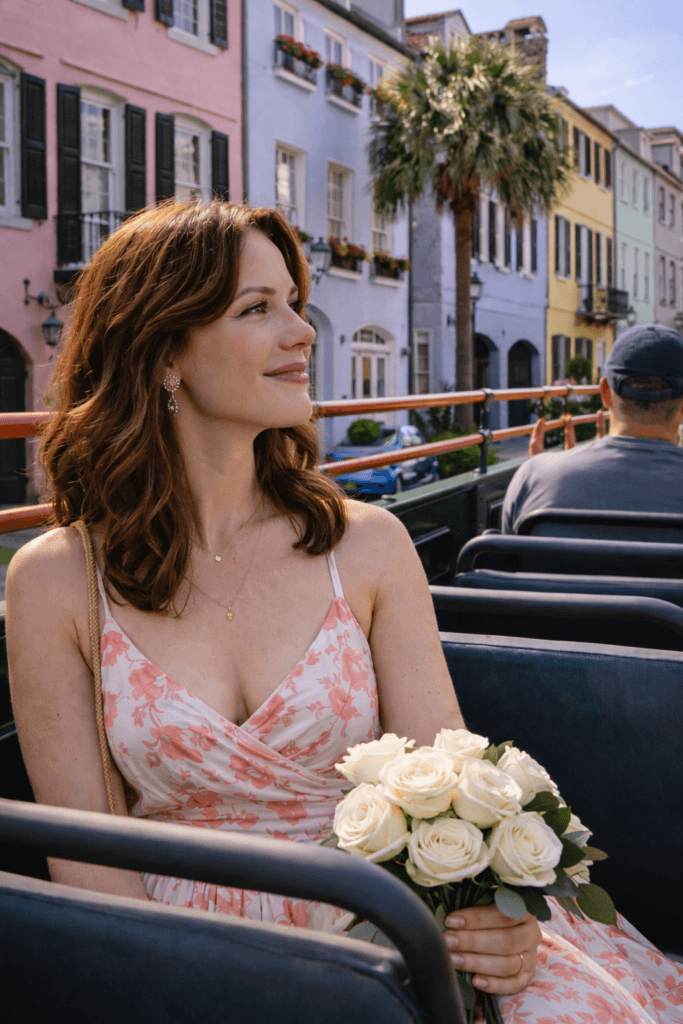
Charleston feels like a city designed for slowing down, which is exactly what makes it so supportive for solo travelers. Cobblestone streets, pastel row houses, and historic landmarks like Rainbow Row, The Battery, and the French Quarter create a setting that invites wandering without pressure. The city is deeply walkable, visually soothing, and rich in history, so even a simple stroll feels meaningful. Charleston’s hospitality culture is strong—you’re likely to be greeted warmly, whether you’re browsing a small shop or sitting down for a solo meal. It’s elegant without being intimidating, and lively without feeling overwhelming.
Getting around:
Walking + rideshare. Most major sights are clustered within the Historic District, making it easy to explore on foot. Rideshare is convenient and affordable for longer distances or evenings.
Budget range:
- Food: $12–$20 casual eats (cafés, bakeries, lunch spots) | $25–$40 sit-down meals
- Lodging: $140–$220/night depending on season and proximity to the Historic District
Where to stay:
The Historic District is ideal if you want to walk everywhere and soak in the atmosphere. Mount Pleasant is a great alternative—slightly quieter, often more affordable, and still close to downtown via bridge or rideshare.
Safety notes:
Charleston’s central neighborhoods are generally safe, active, and well-lit throughout the day and evening. Stick to main streets at night, use rideshare after dark, and you’ll feel comfortable navigating the city solo.
16. Asheville, North Carolina
Why it works:
Asheville blends mountain nature, creativity, and a deeply calming pace that makes solo travel feel intuitive rather than intimidating. Tucked into the Blue Ridge Mountains, the city attracts artists, hikers, wellness seekers, and curious travelers who are comfortable exploring on their own. One of Asheville’s biggest draws is the Biltmore Estate, America’s largest private home, often referred to as a castle for its grand architecture, manicured gardens, and historic presence. Just outside the city, you’ll also find Smith-McDowell House and other historic estates that add a sense of old-world charm without the crowds or pressure of larger cities. Asheville feels reflective, grounded, and welcoming — ideal if you want your solo trip to feel restorative, not rushed.

Getting around:
Walking works well downtown, where shops, cafés, and galleries are clustered. For exploring the Blue Ridge Parkway, Biltmore Estate, or nearby trails, a car or rideshare is helpful and often necessary.
Budget range:
- Food: $10–$18 casual cafés and bakeries | $20–$30 sit-down farm-to-table meals
- Lodging: $110–$170 per night, depending on season and proximity to downtown
Where to stay:
Downtown Asheville if you want to be close to restaurants, music venues, and galleries. West Asheville offers a more local, laid-back vibe with good cafés and slightly lower prices.
Safety notes:
Asheville is small, friendly, and generally very safe for solo travelers. Stick to central neighborhoods at night, enjoy the well-lit downtown streets, and you’ll likely feel comfortable exploring on your own throughout your stay.
17. Nashville, Tennessee
Why it works:
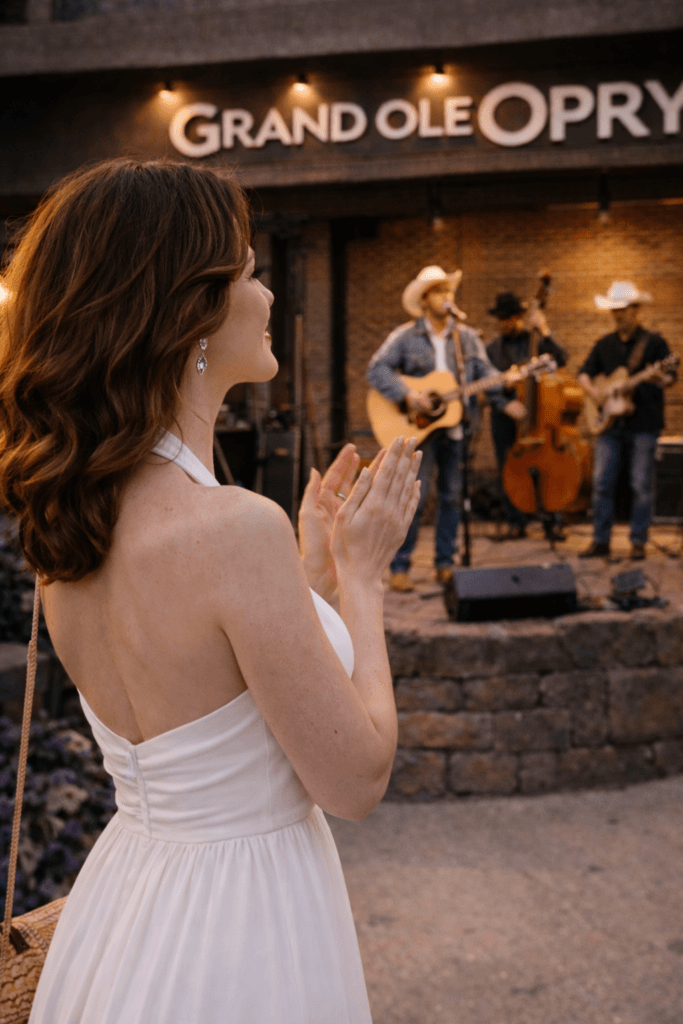
Nashville is lively without being overwhelming, which makes it a surprisingly good fit for solo travelers. Music spills out of nearly every venue, and the city has a social energy that makes it easy to feel connected even when you’re exploring on your own. At the same time, it’s organized and approachable, so you don’t feel lost in the chaos. Whether you’re catching live music, browsing local shops, or settling into a café, Nashville balances excitement with warmth in a way that feels welcoming.
Getting around:
Rideshare + walking. Many of the most popular neighborhoods are compact and easy to explore on foot. For longer distances, rideshares are affordable and widely available, especially in the evenings.
Budget range:
- Food: $10–$18 for casual eats like hot chicken, tacos, or food trucks | $20–$35 for sit-down restaurants and live-music venues with table service
- Lodging: $130–$190 per night in well-reviewed, central neighborhoods
Where to stay:
The Gulch is polished and walkable, Midtown keeps you close to music venues and universities, and East Nashville offers a more local, creative vibe with great food and coffee spots.
Safety notes:
Nashville’s main neighborhoods are busy and well-lit, especially around music districts. Stick to populated areas at night and use rideshare after evening shows for an extra layer of ease and comfort.
18. Minneapolis–St. Paul, Minnesota
Why it works:
Minneapolis–St. Paul is one of those places that quietly surprises solo travelers. The cities feel clean, thoughtful, and well-planned, with an impressive mix of urban life and natural beauty. Lakes, river paths, and parks are woven right into daily life, which makes exploring feel grounding rather than overstimulating. There’s a strong sense of community here, and it’s very normal to see people dining alone, reading in cafés, or walking by themselves, something that naturally puts solo travelers at ease.

Getting around:
Light rail + buses + walking. The light rail connects the airport, downtown Minneapolis, downtown St. Paul, and major attractions, making arrival and day-to-day movement simple. Many neighborhoods are flat and pedestrian-friendly, and bike paths are plentiful if you enjoy cycling.
Budget range:
Food: $10–$18 casual cafés, bakeries, and food halls | $20–$30 sit-down meals
Lodging: $120–$180/night in well-located, safe neighborhoods
Where to stay:
Downtown Minneapolis if you want easy transit access and walkability. Uptown offers a more relaxed, neighborhood feel near lakes and cafés. In St. Paul, Cathedral Hill is charming, historic, and calm—perfect if you prefer a slower pace.
Safety notes:
Both cities feel safe and orderly in central neighborhoods. Stick to well-lit streets, especially at night, and use public transit or rideshare after evening events. The overall pace is relaxed, which helps solo travelers feel comfortable navigating on their own.
19. Cleveland, Ohio
Why it works:
Cleveland is one of the most underrated U.S. cities for solo travel, especially if you’re looking for something affordable and easy to navigate. The city feels approachable rather than overwhelming, with a laid-back pace that helps first-time solo travelers settle in quickly. Neighborhoods are friendly, attractions are close together, and there’s a great local pride that shows up in restaurants, museums, and waterfront spaces. It’s a great place to explore without feeling rushed or overstimulated.
Getting around:
RTA rail + walking. Cleveland’s rail system is straightforward and connects downtown with key neighborhoods and the airport.
Budget range:
- Food: $10–$15 for casual meals, coffee shops, and food halls | $18–$28 for sit-down restaurants and neighborhood favorites
- Lodging: $100–$160 per night for well-reviewed hotels or centrally located short-term rentals
Where to stay:
Downtown Cleveland is convenient for attractions, dining, and transit access. Ohio City is another excellent option, offering a more neighborhood feel with easy access to the West Side Market and local cafés.

Safety notes:
Central Cleveland neighborhoods are generally safe, welcoming, and easy to navigate. Stick to well-populated areas in the evening, use public transit or rideshare at night, and you’ll feel comfortable moving around on your own.
20. Milwaukee, Wisconsin
Why it works:
Milwaukee is one of those cities that quietly surprises solo travelers. It has a relaxed, friendly energy that makes moving around alone feel natural rather than intimidating. The lakefront is beautiful year-round, neighborhoods feel lived-in rather than touristy, and there’s a strong sense of community that comes through in cafés, breweries, and local shops. It’s a great choice if you want a city experience without big-city overwhelm.

Getting around:
Walking + buses. Many central neighborhoods are compact and easy to explore on foot, especially near the lake and downtown. The bus system is simple to use and connects major areas reliably.
Budget range:
- Food: $10–$15 for casual eats, bakeries, and coffee shops | $18–$30 for sit-down restaurants and local favorites
- Lodging: $100–$160 per night in well-located, clean hotels or short-term rentals
Where to stay:
The Historic Third Ward is ideal for walkability, dining, and lake access. The East Side is another solid option, especially if you like quieter streets with easy access to parks and cafés.
Safety notes:
Milwaukee’s central neighborhoods are generally safe, calm, and easy to navigate solo. Stick to well-lit areas in the evening, especially downtown and near the lakefront, and you’ll feel comfortable exploring at your own pace.
A Quick Note on Staying Smart
Solo travel is less about avoiding risk and more about choosing ease:
- stay in walkable, well-reviewed areas
- arrive during daylight when possible
- keep your phone charged and maps offline
- trust your instincts early
When a city supports you, solo travel feels lighter — and that’s the goal.
8 responses to “20 Best U.S. Cities in 2026 for Women Traveling Alone on a Budget”
-
Hello!
Thank you for this list — I found it both inspiring and practical! As a mom with a young child, travel often feels like something I’ll put off until “someday,” but your breakdown made budgeting and safety feel a little less intimidating. I’ve bookmarked several of these cities because they seem like places I could realistically explore with a little one in tow, especially if we take advantage of affordable options like parks, local markets, and free attractions. It’s encouraging to see destinations that don’t require breaking the bank but still offer culture, charm, and real experiences.
I do have a couple questions as I daydream about future trips: for someone traveling with a child, do any of these cities stand out as especially kid-friendly while still feeling safe for a solo mom? And are there specific neighborhoods or times of year you’d recommend for stretching a budget even further without sacrificing comfort or fun? This article definitely gave me a lot of hope that adventure doesn’t have to wait — it just looks a little different, and that’s okay!
Angela M 🙂
-
Hi Angela! thank you so much for this thoughtful note. It really means a lot. Travel doesn’t have to wait for “someday,” especially here in the U.S., where so many cities are both affordable and family-friendly.
For solo moms traveling with a child, cities like Portland, Boston, San Diego, Washington, D.C., and Minneapolis tend to feel especially supportive. They’re walkable, have reliable public transportation, lots of green spaces, free or low-cost museums, and a culture where families are visible and welcomed. Staying in neighborhoods just outside the main tourist areas, but still near transit, usually stretches the budget further without sacrificing comfort or safety.
I’ve also found that spring and early fall are the easiest times to travel with kids: milder weather, fewer crowds, and better lodging prices. You’re exactly right — adventure doesn’t disappear with motherhood. It just becomes slower, sweeter, and often more meaningful
-
-
Thank you for this incredibly practical and encouraging guide; it’s exactly what I need as I start planning a solo trip across the U.S. next year. I appreciate that this list includes a wide variety of cities, from iconic destinations like Washington, D.C., and New York City to charming, more relaxed spots like Savannah and Asheville.
As someone excited yet a bit nervous about traveling alone for the first time, I particularly value the emphasis on cities that are walkable or have simple public transit. This makes the idea of exploring on my own feel much more manageable.
For travelers on a tight budget, which of these cities tends to offer the best mix of affordable accommodations and free or low-cost activities, all while ensuring a fulfilling experience?
-
Thank you so much for this thoughtful note.
I’m really glad the guide helped make solo travel feel more approachable. That mix of excitement and nerves is completely normal, especially on a first trip.For travelers on a tighter budget, Washington, D.C., Savannah, Asheville, Portland, and San Antonio tend to offer the best balance. D.C. is hard to beat for free museums and walkability, Savannah and Asheville shine with affordable stays plus outdoor beauty, and Portland and San Antonio combine easy transit with low-cost food, parks, and cultural spots. All of them allow you to have full, rich days without constantly spending money, which takes a lot of pressure off when traveling alone.
Starting in cities like these is a great way to build confidence. They’re gentle places to learn your solo rhythm while still feeling supported and inspired.
-
-
What a fantastic and practical guide! ???? I love how it highlights safety, affordability, and easy transit for women traveling alone. Cities like Washington, D.C., Portland, and Savannah sound perfect for starting solo adventures without breaking the bank. This makes me excited to plan my own trips—solo travel can be empowering and fun! ✨
-
This list is a fantastic starting point for planning my 2026 solo adventures! I love that you considered safety, walkability, and budget-friendliness – that’s the exact trifecta I look for. As a foodie, I’m now dreaming about the affordable culinary scenes in Tucson and Kansas City. Thank you for doing this research!
-
Hello, great info, I’ve got a question….For those of us who rely on public transit or mobility aids due to disabilities, which of these cities actually have affordable, ADA-compliant transit systems that make it possible to see the sights without having to pay for expensive private Ubers or specialized shuttles?
-
That’s a really valuable question, Leah, and it’s great that you’re thinking about accessibility and budget together. Some cities on that list are known not just for being affordable, but also for having more reliable, ADA-compliant public transit that makes getting around on your own much easier without needing pricey rideshares or private shuttles.
Cities like Portland, Seattle, and Minneapolis tend to stand out; they have transit systems (buses, light rail, streetcars) with strong accessibility features and good coverage of key tourist areas. Others like Denver and Washington, D.C. also score well for wheelchair-accessible trains and buses, plus walkable districts and attractions near transit hubs.
That said, accessibility can vary even within a city and from route to route, so it can be really helpful to check local transit ADA maps or contact transit authorities ahead of your trip to see how well specific lines or stations will work for you. But overall, these cities are often easier to navigate independently if you depend on public transport or mobility aids, not perfect, but definitely more budget-friendly than relying solely on private options.
-


Leave a Reply