
How I Decide When to Invest More in Safety and Comfort While Traveling
When I travel alone, I’m not constantly asking myself how to spend less. I’m asking myself where spending more actually supports me.
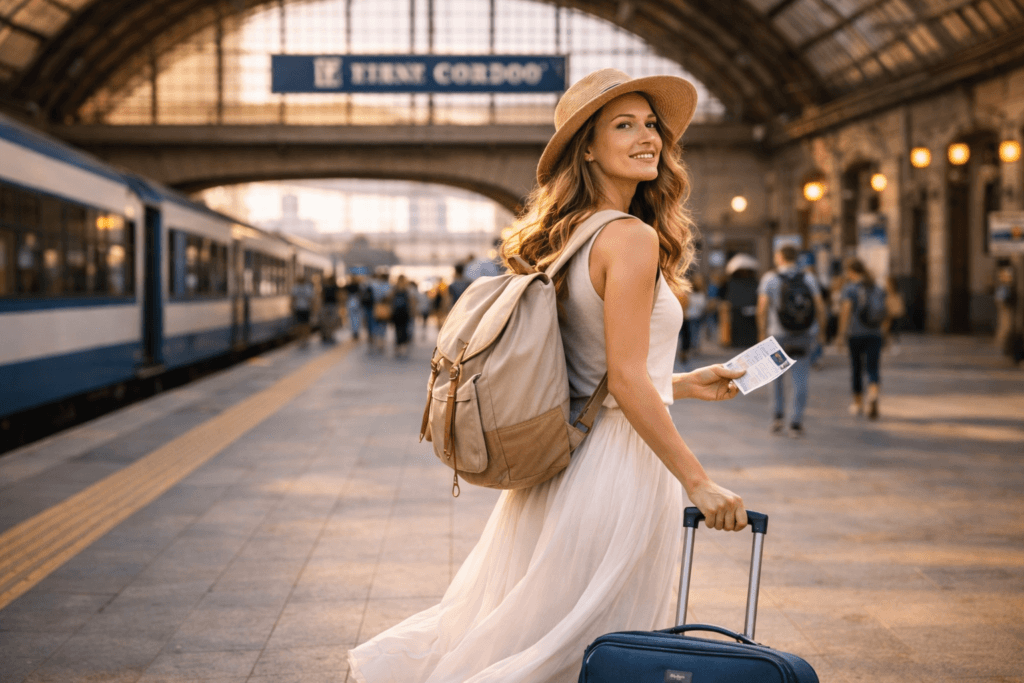
Over time, I’ve learned that safety and comfort aren’t about luxury — they’re about reducing friction, conserving energy, and creating a sense of ease that allows me to enjoy where I am. I don’t invest everywhere equally. I’m selective, and that selectivity is what keeps travel both calm and affordable.
This is how I make those decisions.
I Spend More at Transition Points
The moments where I’m arriving, leaving, or navigating something unfamiliar are where I’m most intentional about comfort.
Arrival nights, late check-ins, long travel days, or unfamiliar airports are times when I’m more likely to choose a centrally located hotel or a straightforward transfer. At those points, clarity matters more than saving a few dollars. Feeling settled quickly helps me relax into the trip instead of staying in problem-solving mode.
Once I’m oriented, I’m much more flexible.
I Invest When It Buys Peace of Mind
If spending a little more means I can stop thinking about safety, I usually consider it worth it.
That might look like choosing accommodation in a walkable neighborhood, staying near reliable public transportation, or booking a place with good lighting and 24-hour access. These choices don’t feel indulgent to me — they feel supportive. Peace of mind allows me to be present, and presence is what makes solo travel meaningful.
I Spend Less Once I Feel Oriented
After the first couple of days, my spending often shifts.
Once I understand the layout of a city, know how transportation works, and feel comfortable moving around, I’m more open to budget-friendly options. I’ll walk more, use public transit confidently, eat simply, and stay farther from tourist centers. Familiarity creates freedom — and that freedom makes budget travel easier.
I Pay for Time and Energy, Not Extras
There are certain conveniences I value because they protect my energy.
I’ll spend more on a direct route, fewer transfers, or a location that reduces daily back-and-forth. On the other hand, I don’t spend much on amenities I won’t use. A fancy hotel doesn’t add value if I’m out exploring all day. I choose comfort that supports my rhythm, not upgrades that look good on paper.
I Let the Type of Trip Guide the Spend
Not every trip requires the same level of investment.
If I’m traveling somewhere entirely new, arriving late, or moving quickly, I lean more toward comfort. If I’m returning to a familiar place or traveling slowly, I simplify. I don’t follow one rule — I follow the needs of the moment.
That flexibility keeps me from overspending and from cutting corners that don’t feel right.
How I Know I’ve Found the Right Balance
When I’ve made the right choices, I feel calm — not hyper-vigilant, not guilty, and not restricted. I’m able to enjoy my surroundings without constantly checking my phone, recalculating routes, or worrying about logistics.
That’s usually my signal that I’ve invested wisely.
Final Thoughts
Spending more on safety and comfort isn’t about fear — it’s about self-support. And choosing budget-friendly options isn’t about sacrifice — it’s about alignment.
When I travel solo, I invest where it gives me ease and simplify where it doesn’t matter. That balance keeps travel grounded, affordable, and genuinely enjoyable.
Traveling wise isn’t about choosing the cheapest option.
It’s about choosing the one that lets you relax.
If you’re planning a trip and trying to decide where to spend and where to save, I share real-world examples and practical guides to help you find that balance — without pressure or overwhelm.
👉 Explore how I travel wise